
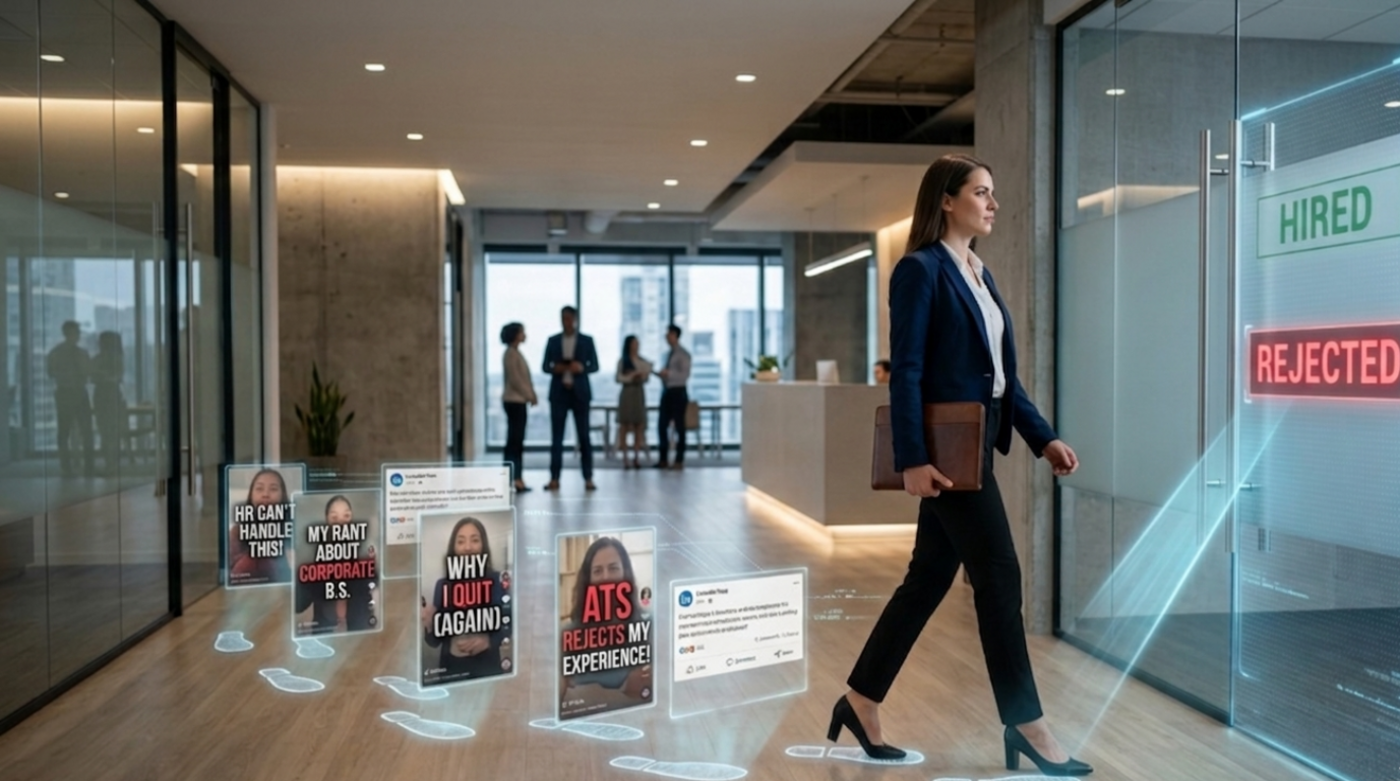
Accidental Self-Screening: How TikTok Rants Can Cost You a Manufacturing Job
You tailor your resume.
You apply to five manufacturing jobs.
You wait.
What you don’t realize?
A 30-second TikTok from last month may have already screened you out.
Welcome to accidental self-screening, when candidates unknowingly remove themselves from consideration because of what they post online.
In Ontario’s manufacturing sector, professionalism still matters. And while social media feels casual, employers often see it very differently.
A. The TikTok Trap – Funny Online, Risky in Real Life
Let’s be honest. Workplace humour performs well online.
It’s relatable. It's funny. It gets views.
But here’s the shift in perspective: hiring managers don’t see relatability. They see risk.
Manufacturers care deeply about:
- Safety
- Confidential processes
- Reliability
- Team culture
A video joking about cutting corners, mocking leadership, or exposing internal issues may feel harmless, but it signals something else professionally.
You may not be rejected because you lack skills. You may be rejected for perspective.
That’s accidental self-screening.
B. The Internet Is a Permanent Resume
A resume is curated.
Your digital footprint is not.
Unlike a private complaint to a friend, social media posts are searchable, shareable, and often permanent.
Many employers, including manufacturers, review candidates' online profiles during the hiring process. Not because candidates are trying to trap the other candidates, but because they are assessing professionalism and brand risk.
If your content suggests:
- Public venting
- Confidential information sharing
- Disrespect toward employers
- Poor safety attitudes
You may never know why you didn’t get the interview.
That silence can be frustrating. But the reason may already be online.
C. The Free Speech Misunderstanding
A common reaction is: “I’m allowed to say what I want.”
Legally, yes, from government restrictions.
Professional? Not consequence-free.
Employers can decide whether your online presence aligns with their workplace standards. Manufacturing environments especially value discretion and responsibility.
Free speech protects you from government punishment.
It does not guarantee employment.
Understanding that distinction protects your career.
D. The Long-Term Reputation Effect
Here’s the uncomfortable truth:
A viral video fades.
A reputation sticks.
Manufacturing communities across Ontario are often interconnected. Supervisors move companies. Recruiters share impressions. Word travels quietly.
If you build an online brand around workplace sarcasm, public venting, or “anti-boss” humour, that identity can follow you longer than you expect.
Even if you delete content, screenshots may exist.
Accidental self-screening is rarely dramatic. It’s subtle. It’s the candidate who “just wasn’t the right fit.”
E. How to Reposition Yourself Strategically
This is where the humour turns into strategy.
If you’ve posted humorous content before, don’t panic. Repositioning is possible.
Audit Your Digital Presence
Search your name. Review public content. Ask: Would a hiring manager view this as responsible?
Adjust Privacy Settings
Make personal content private where appropriate.
Shift Your Content Tone
If you use social media professionally, pivot toward the following:
- Skill development
- Industry interest
- Career growth
- Professional insights
Separate Work From Performance
A private group chat is not the same as a public video. Choose your outlet carefully.
Think Before You Post
Ask yourself one question:
Would I be comfortable discussing this post in a job interview?
If the answer is no, reconsider.
F. Manufacturing Careers Require Trust
In manufacturing, safety procedures, production standards, and internal processes matter. Employers need people they can trust, not just with equipment but with reputation.
Professionalism does not mean being robotic. It means knowing where to draw boundaries.
There is a difference between the following:
- Processing frustration privately
- Broadcasting it publicly
That difference defines how you are perceived.
G. Choose Strategy Over Momentary Anger
It can feel empowering to post in the moment. But clarity beats impulse every time.
If you’re unhappy at work, updating your resume and exploring new manufacturing opportunities is a stronger move than venting online.
Your long-term career deserves more than a short-term rant.
H. Final Thought – Don’t Screen Yourself Out
Accidental self-screening is real. It happens quietly.
You may never know that a TikTok cost you an interview. But you can control whether it happens again.
Protect your reputation.
Be strategic online.
Let your skills speak louder than your frustrations.
Because in Ontario’s manufacturing sector, professionalism still opens doors, and a little discretion goes a long way. You can explore current openings across Ontario here.
