
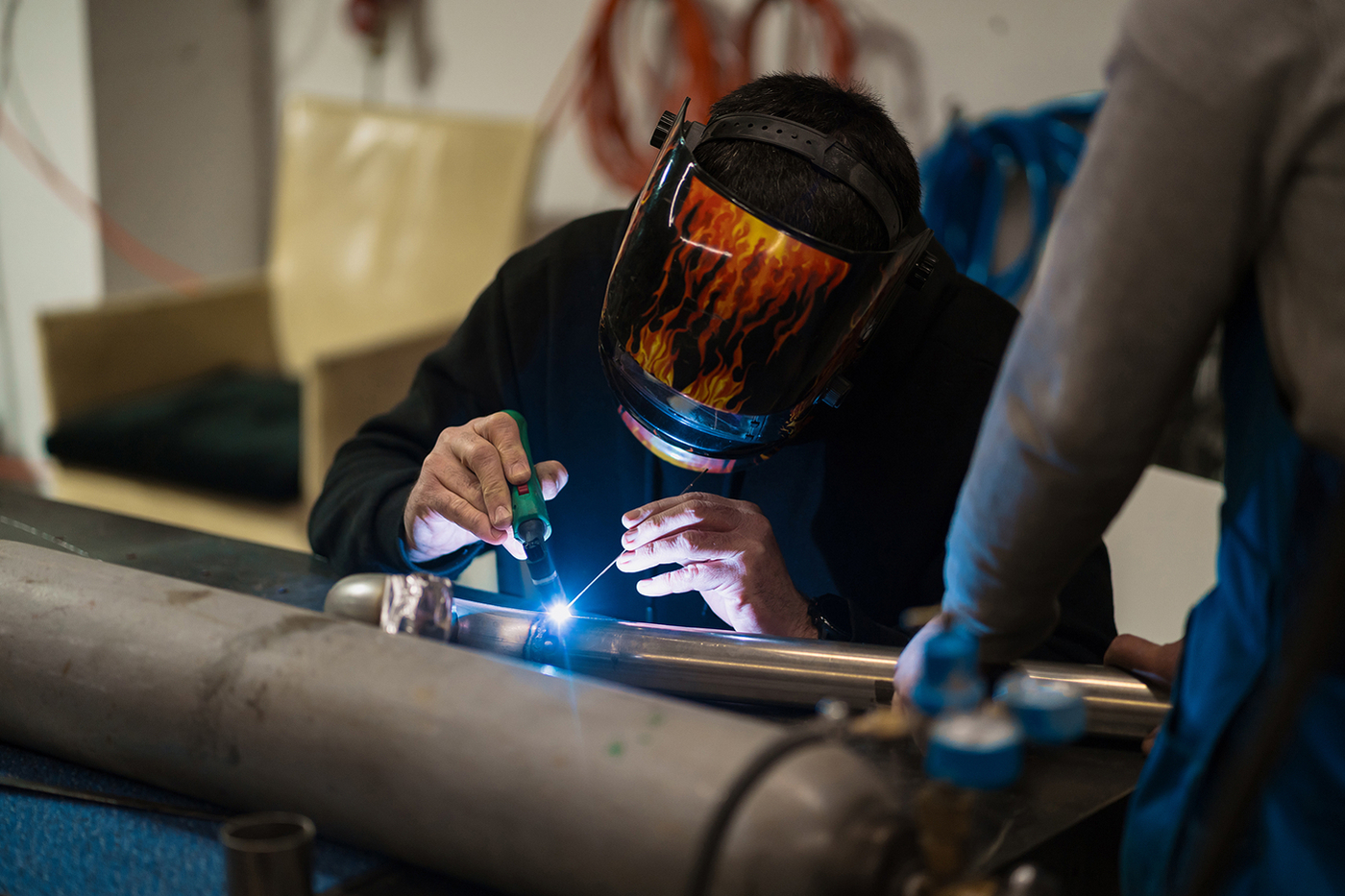
Ontario Manufacturers Are Struggling to Hire Welders: Here’s What Needs to Change
Across Ontario, manufacturers are sounding the alarm. Despite the surge in production demands across automotive, infrastructure, and heavy equipment sectors, the pool of skilled welders is not growing fast enough to keep up. The shortage is real, and it's creating ripple effects in project timelines, safety margins, and long-term planning.
This isn’t just a temporary hiring issue—it’s a systemic problem that calls for immediate action.
Why the Demand for Welders is Exceeding Supply
From automotive plants in Windsor to food processing facilities in London and steelworks in Hamilton, Ontario's industries are expanding—but their workforce isn’t. Welding jobs in Ontario, Canada, are becoming increasingly complex to fill each quarter, with companies struggling to attract qualified candidates, even for entry-level roles.
Multiple factors are driving the demand:
- An aging skilled trades workforce, with many experienced welders nearing retirement
- Limited exposure to welding as a viable career option among youth
- Rapid technological shifts requiring hybrid skills (manual and robotic welding)
- Cross-industry competition for welders in infrastructure and transportation
Without intervention, this demand-supply mismatch will only widen, placing Ontario's position as a manufacturing leader at risk.
The Current Hiring Climate for Welding Roles
Hiring managers across Ontario report that welder positions often remain open for months. When candidates do apply, they may lack up-to-date certifications, hands-on experience, or basic knowledge of shop safety.
On paper, many of these roles are well-paid and stable, offering benefits. But the path to becoming a welder isn’t as clearly laid out as it should be. Traditional college programs often fail to align with the needs of the shop floor. And employers usually can't afford to train from scratch while meeting production targets.
This makes mid-career professionals hesitant to transition into welding careers and pushes some new graduates toward sectors that appear more accessible, such as warehousing or technology.
Gaps in Training Programs and Applicant Readiness
One of the core issues is the fragmented training landscape. Ontario has some excellent welding programs, but not all offer practical placement or co-op experience. Additionally, training programs vary in quality and cost, with some students completing certifications only to find that they lack essential shop-readiness.
Many employers also point to a gap in "soft" technical skills—like blueprint reading, understanding tolerances, or learning how to troubleshoot robotic welders. This has made the transition from classroom to plant floor especially difficult for new graduates.
To bridge this gap, partnerships between manufacturers and technical schools are essential. When shops are involved in program design or offer apprenticeships, graduates are more likely to meet real-world expectations.
Competition from Other Industries
Another challenge is the increasing competition for welding talent across multiple sectors. Infrastructure projects—such as bridge retrofits, subway expansion, and green energy builds—offer high wages and long-term contracts for welders.
Similarly, Ontario’s automotive sector, which is pivoting toward new electric and hybrid vehicle platforms, has upped its demand for custom fabrication and precision welding.
This means someone looking for welding engineer jobs or advanced welding technician roles might opt for opportunities outside manufacturing if the pay, benefits, or flexibility appear better.
Unless manufacturers match what other sectors offer—not just in wages but in growth opportunities—they risk losing skilled tradespeople to parallel industries.
Connecting Welders with Hiring-ready Employers
One of the most overlooked problems is visibility. There are job-ready welders out there—graduates of community programs, trade-switchers from other mechanical fields, and internationally trained workers. But they don’t always know which employers are hiring or whether they meet the required criteria.
This is where specialized job platforms that focus solely on industrial roles can be beneficial. Unlike generic job boards, these sites cater to trades and offer filters for certifications, shift availability, experience level, and industry type.
For a job seeker looking for welding jobs in Ontario, Canada, these tools can cut through the noise and highlight where they’re most likely to get hired—and grow.
For example, someone searching for welder positions with MIG and TIG experience in Guelph can quickly identify relevant jobs, rather than sifting through listings unrelated to their skill set.
Similarly, employers can locate candidates who are already certified in CWB (Canadian Welding Bureau) procedures and are ready to start with minimal onboarding.
Fix the Hiring Model Before Delays Cost More
Ontario’s manufacturers cannot afford to treat this shortage as just another labour cycle. The demand for welders is expected to increase as facilities expand and technology continues to advance.
Here are five ways the sector can respond now:
-
Engage youth early. Bring welding demos to schools, support trades-focused high school pathways, and provide exposure to real-world shop settings.
-
Streamline apprenticeships. Shorten wait times for apprenticeships and offer more accessible pathways for internationally trained workers.
-
Invest in internal upskilling. Train general labourers or machine operators who show aptitude for welding and offer them CWB-certification support.
-
Improve workplace culture. Emphasize safety, mentorship, and schedule stability to retain younger welders.
-
Use industry-specific hiring tools. Make it easier for job seekers to find and apply to roles by posting on trades-focused platforms.
The cost of unfilled welding careers is more than a delay—it’s missed contracts, reduced quality, and lost growth. Fixing the hiring model now will pay dividends in both productivity and talent retention. Create an account on manucan and hire the talent that your business needs.
