
How Ontario Manufacturers Can Stay Ahead of Workplace Health and Safety Laws
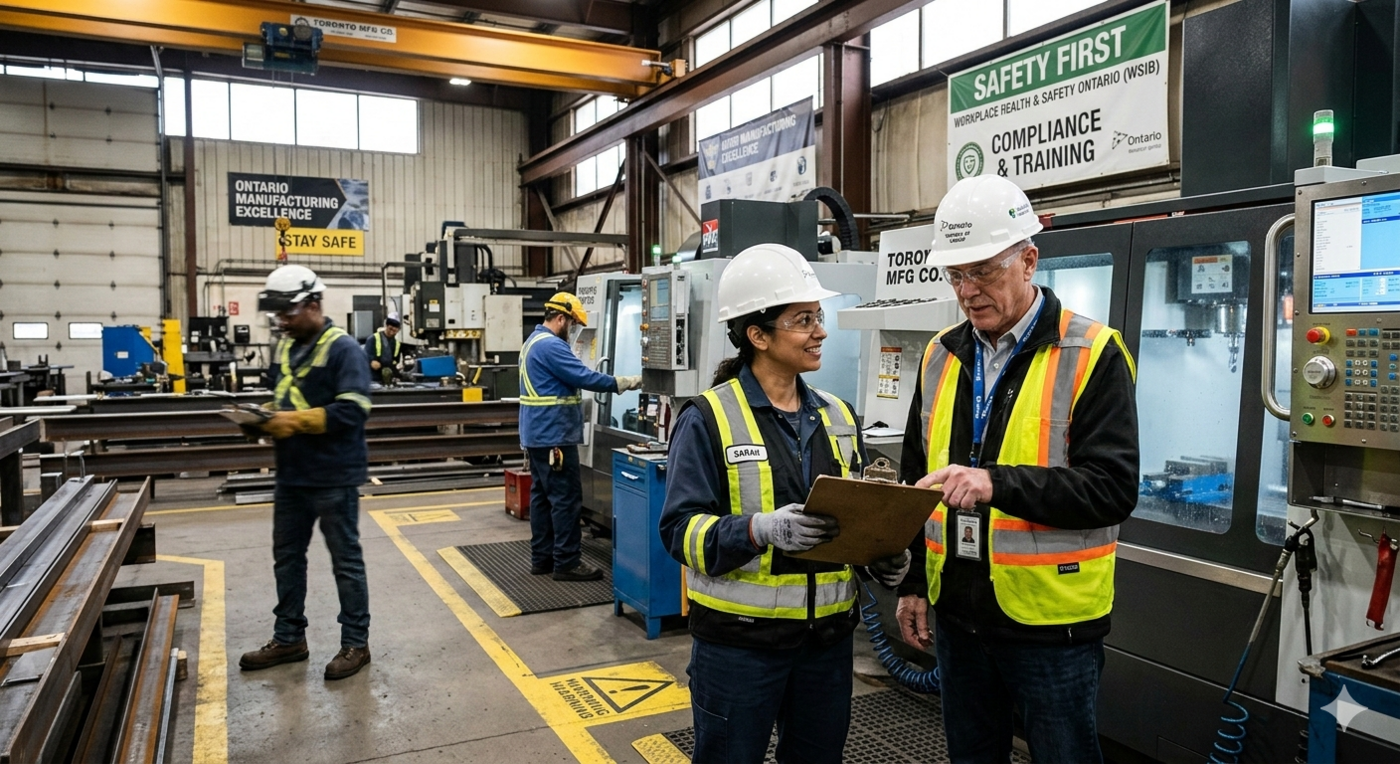
In Ontario’s fast-paced manufacturing sector, safety isn't optional—it’s foundational. Whether you're running a food-processing plant in Mississauga or a metal fabrication shop in Windsor, your ability to stay ahead of evolving workplace health and safety requirements directly affects your people, productivity, and reputation.
Why Safety Is a Frontline Concern in Ontario’s Manufacturing Sector
Manufacturing environments involve machinery, moving equipment, chemicals, and repetitive physical tasks. Without strong safety systems, the risk of injury rises quickly.
Beyond protecting workers, effective workplace health and safety programs in Ontario help manufacturers reduce downtime, limit compensation claims, and improve retention. Workers are far more likely to stay in environments where safety is visible, enforced, and taken seriously.
Safety is no longer just a compliance issue—it is a core business function.
People Also Ask
What is Ontario’s Workplace Health and Safety Act?
It is legislation that sets out the employer, supervisor, and worker responsibilities for protecting health and safety in Ontario workplaces.
Who enforces workplace health and safety in Ontario?
Ontario’s Ministry of Labour, Immigration, Training and Skills Development enforces OHSA through inspections and investigations.
What support does WSPS provide manufacturers?
WSPS offers training, safety assessments, and compliance guidance tailored to manufacturing environments.
Understanding the Ontario Health and Safety Act (OHSA)
Ontario’s Workplace Health and Safety Act, formally known as the Occupational Health and Safety Act (OHSA), establishes the legal duties of employers, supervisors, and workers.
Key employer responsibilities include:
- Identifying and controlling workplace hazards
- Providing information, instruction, and supervision
- Supplying and enforcing personal protective equipment (PPE)
- Maintaining equipment and machinery in a safe condition
- Developing written health and safety policies
The Act also requires employers to take every reasonable precaution to protect workers. Non-compliance can result in fines, stop-work orders, or prosecution.
Most-Cited Violations and Areas of Risk in Factories
Manufacturing inspections across Ontario consistently identify similar problem areas:
- Missing or inadequate machine guarding
- Improper lockout/tagout procedures
- Inadequate worker training
- Poor housekeeping and blocked exits
- Lack of hazard communication
These issues often stem from outdated procedures or inconsistent enforcement—not intentional neglect.
Strong workplace health and safety regulations require manufacturers to review risks, not only after incidents occur regularly.
The Role of Workplace Safety and Prevention Services (WSPS)
Workplace Safety and Prevention Services (WSPS) is Ontario’s designated health and safety association for manufacturing, construction, and other high-risk sectors.
WSPS supports employers through:
- On-site safety assessments
- Supervisor and worker training
- Hazard identification tools
- Compliance guidance
- Safety program development
Working with WSPS allows manufacturers to identify gaps early and strengthen their safety systems before incidents or inspections happen.
How Manufacturers Can Stay Compliant and Reduce Liability
Staying ahead of workplace health and safety laws requires consistency, not one-time efforts.
Practical actions include:
- Conduct scheduled safety inspections
- Keep written policies updated
- Train new and temporary workers before they start
- Document all training and inspections
- Review incident reports for patterns
- Involve workers in safety discussions
Many manufacturers are also adopting digital safety tracking tools to manage training records, inspections, and corrective actions.
Compliance becomes far more manageable when safety is built into daily operations—not treated as an add-on.
Safer Operations Are More Sustainable Operations
Manufacturers that prioritize safety don’t just avoid fines, they build stronger businesses.
Safer workplace experience:
- Lower injury rates
- Reduced absenteeism
- Higher employee trust
- Better retention
- More consistent production
At Manucan, we see how safety-focused employers attract more applicants and keep workers longer. Strong safety programs aren’t about checking boxes. They’re about protecting people and maintaining manufacturing moving. If you’re hiring or job searching, you can explore safe, compliance-focused workplaces at Manucan.
