
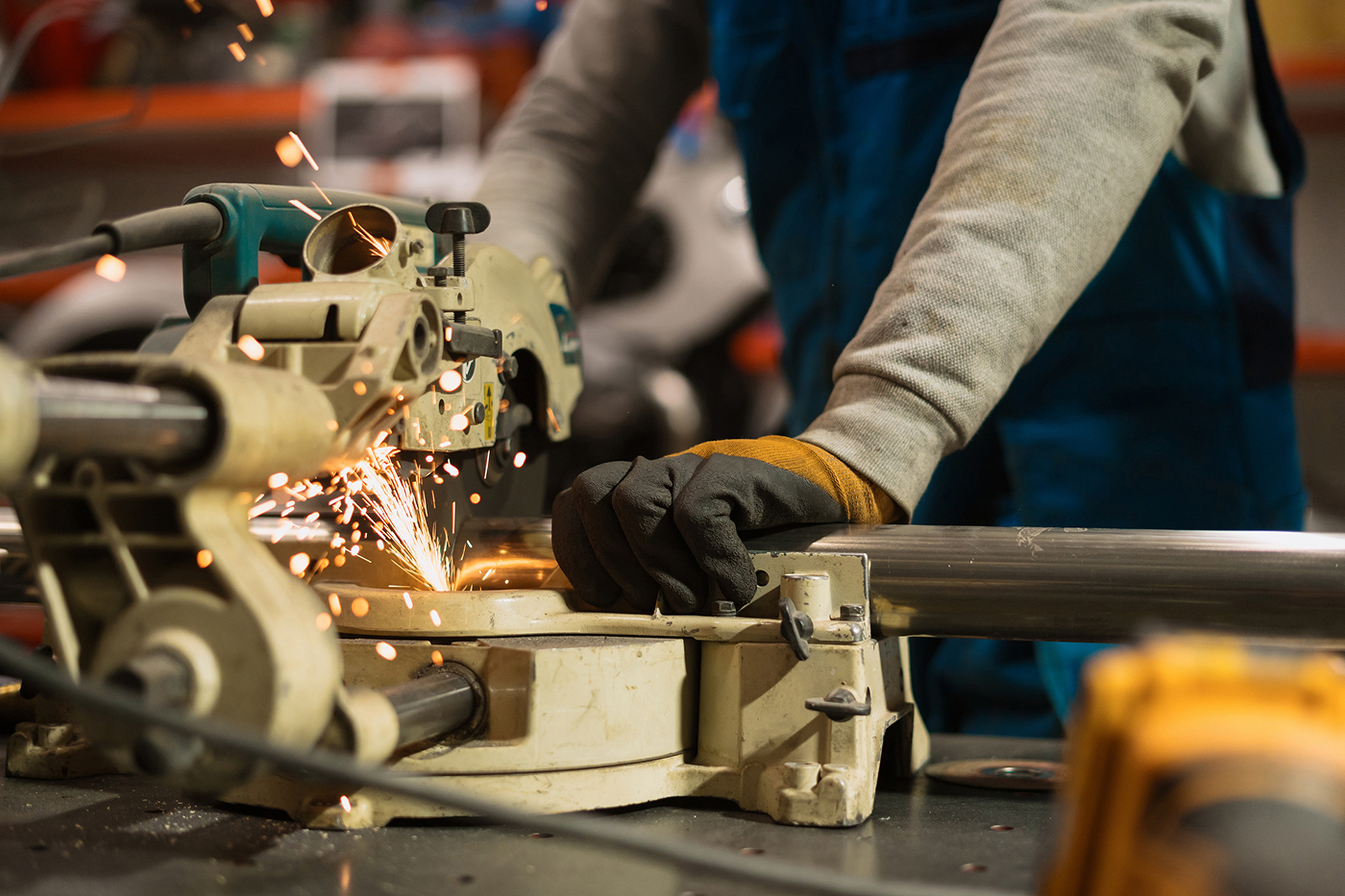
Tool and Die Maker Shortages in Ontario Are Slowing Down Production
Ontario’s industrial economy is gaining momentum, but a critical bottleneck is threatening that progress: a growing shortage of qualified tool and die makers. These skilled tradespeople are essential to every phase of manufacturing, from designing dies and jigs to maintaining the precision tools that keep production lines moving.
At manucan, we’ve seen firsthand how the shortage of tool and die maker jobs is slowing production schedules, increasing costs, and placing pressure on employers to find solutions quickly. Precision trades are under pressure—and it’s time for industry leaders to respond with urgency.
Precision Trades Under Pressure
Tool and die jobs are among the most complex and technical in manufacturing. These roles require a combination of hands-on machining skills, blueprint reading, CAD/CAM expertise, and mechanical problem-solving. Tool and die makers build and maintain the forms and fixtures used in stamping, moulding, and cutting processes—functions critical to industries like automotive, aerospace, and medical device manufacturing.
According to Red Seal Program data, employers across Canada report difficulty filling tool and die maker vacancy listings, particularly in Ontario, where industrial demand is highest. These shortages are not due to a lack of work—they’re the result of a skilled talent pool that’s shrinking faster than it can be replaced.
Retirement Wave and Lack of New Recruits
One of the main reasons for the shortage is demographic. The majority of Ontario’s certified tool and die makers are now approaching retirement age. Many have decades of experience operating manual and CNC machines, designing tools from scratch, and troubleshooting critical failures on the production floor.
As these experts leave the workforce, there aren’t enough new apprentices entering the trade to keep up. Red Seal also highlights that tool and die maker apprenticeships experience lower enrollment and higher dropout rates compared to many other skilled trades—due in part to the complexity of the training and limited awareness of what the job actually entails.
This growing gap means that even with modern machines and high demand, employers are struggling to fill every tool and die maker vacancy they post.
Upskilling from Within the Plant
One way employers are addressing the shortage is by developing in-house talent. Upskilling existing employees—such as CNC operators, maintenance staff, or machinists—into tool and die roles is proving to be a valuable strategy.
Some of the most effective methods include:
- Offering tuition reimbursement for apprenticeships
- Providing mentorship from senior toolmakers before retirement
- Creating job-shadowing programs for employees interested in transitioning
At manucan, we encourage employers to view their current workforce as a pipeline for tool and die jobs. We help match companies with candidates who already possess foundational skills and are eager to learn more.
This internal development approach doesn’t just close vacancies—it builds loyalty and strengthens retention.
Creating Better Career Awareness
Another major factor contributing to the shortage is a lack of visibility. Many young people and newcomers simply aren’t aware of what tool and die making involves or how it differs from general machining or CNC operation.
Tool and die making requires problem-solving, and design thinking involves a level of craftsmanship. Yet, unlike trades such as welding or plumbing, it receives far less attention in school outreach or recruitment campaigns.
To improve access to tool and die maker jobs, employers and industry groups must promote the profession with clarity and purpose. That means:
- Partnering with high schools and post-secondary institutions
- Offering paid internships or co-op placements
- Highlighting success stories and long-term career paths in the trade
As one of Ontario’s key trade connectors, we’re actively working to raise the profile of tool and die jobs through our online resources and employer campaigns.
Where to Find Skilled Tool and Die Makers
When it comes to sourcing talent, traditional job boards don’t consistently deliver results. That’s where manucan comes in. We specialize in matching manufacturing employers with pre-qualified candidates in the skilled trades—especially in high-demand areas like toolmaking.
Our tool and die maker jobs feature real-time listings for:
- Journeyman tool and die makers
- Apprentices ready to enter the trade
- Entry-level operators with cross-training potential
We also support employers with outreach, screening, and onboarding strategies to help ensure every tool and die maker vacancy is filled by someone capable and ready to grow.
In some cases, we’ve helped employers fill multiple roles by targeting candidates outside traditional trade pipelines—such as internationally trained machinists or manufacturing generalists looking for a more specialized path.
By focusing on relevance, readiness, and retention, our approach is helping reduce vacancy time and keep production on track.
Closing the Skills Gap with Intent
Ontario’s manufacturing sector can’t afford to lose momentum—not when demand is rising, supply chains are recovering, and technology is transforming every shop floor. But without more skilled tool and die makers, that momentum is at risk.
Closing the gap will take intentional effort. It means valuing toolmakers not just as tradespeople, but as essential contributors to product quality, production speed, and workplace innovation. It also means investing in training, mentorship, and recruitment with long-term outcomes in mind.
At manucan, we’re committed to being part of the solution. Whether you’re posting tool and die maker jobs or exploring career paths in precision trades, we’re here to help make the connection.
Let’s build a stronger workforce—one toolmaker at a time.
