
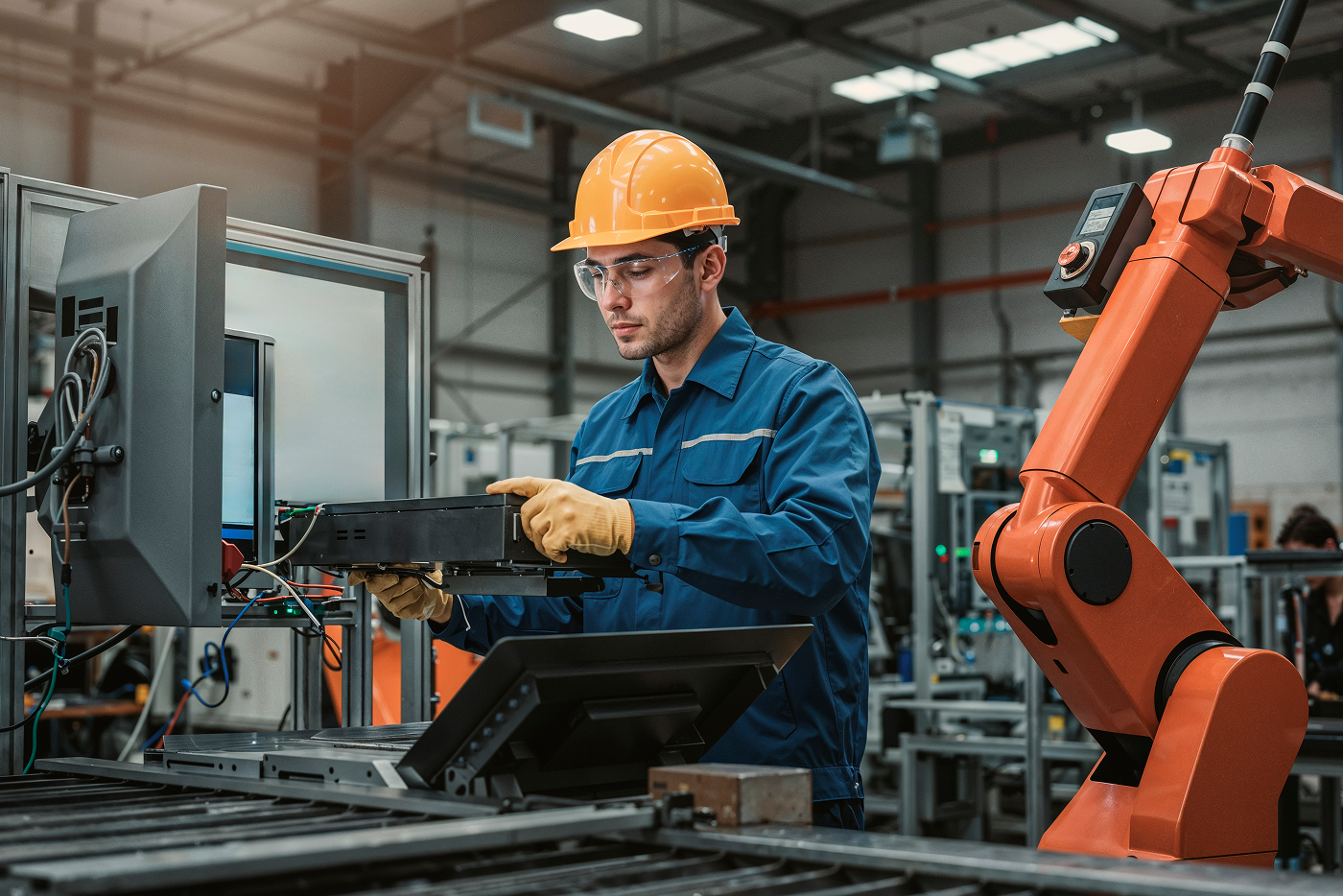
Your Next Step: Building a Career in Manufacturing
Starting a rewarding manufacturing career in Ontario means tapping into growth, stability, and endless opportunity. If you’re a newcomer looking for a strong foothold or someone considering a shift into manufacturing, this guide will help you understand how to maximize your potential and navigate the pathway to success.
Why Manufacturing Careers Are in High Demand
- The Ontario manufacturing sector is a pillar of the economy, especially in the machinery manufacturing industry, which remains one of the fastest-growing subsectors.
- Companies are facing ongoing skilled labour shortages, which means demand for machine operators, production workers, quality control technicians, welders, maintenance mechanics, and other trade roles is very high.
- Manufacturing jobs often offer stable schedules, regular income, and good benefits. For many newcomers, these roles offer a dependable route to long-term employment and career advancement.
Key Paths & Roles in Manufacturing
Here are some common and in-demand roles you might pursue:
- Machine Operator / Production Worker - handling machinery, performing repetitive tasks, assembly line duties
- Quality Control / Quality Assurance Technician - ensuring products meet standards
- Welders, Millwrights, Industrial Electricians - skilled trades with certification or apprenticeship options
- Maintenance Mechanics - keeping equipment running, diagnosing and fixing issues
- Supervisory Roles / Production Supervisor - leading teams, ensuring safety and efficiency
These roles are frequently part of the “best jobs in manufacturing 2025” owing to the mix of entry-level viability plus room for growth.
What Employers Are Looking For
- Hands-on skills or prior experience working with tools, machinery, or in production
- Certifications and credentials, sometimes from abroad but increasingly tested for equivalency in Canada
- Strong safety awareness and willingness to follow workplace safety protocols
- Good communication skills-clear English (or French in some cases), ability to follow instructions, teamwork
- Reliability and adaptability-manufacturing environments change, and so do technologies
Overcoming Common Barriers
Newcomers often face these challenges:
- Unrecognized credentials - engineering or technical training from abroad may not be automatically accepted
- Lack of Canadian work experience - many jobs ask for local experience, though your international experience has value
- Language or terminology gaps - safety standards, quality vocabulary, local labour laws, etc. may differ
- Limited networks - knowing people or knowing where to apply makes a big difference
Steps to Launch Your Manufacturing Career
- Get your credentials assessed or certified: Use credential evaluation services or provincial certification bodies.
- Apply for apprenticeships or trade school training: Programs through Skilled Trades Ontario or equivalent help you gain hands-on experience.
- Build your resume for manufacturing: Emphasize transferable skills, include any machinery, tools, safety training, or production line work
- Use newcomer-friendly job platforms and employment centers: Some community agencies and platforms focus on connecting immigrants with inclusive employers.
- Seek mentorship and networks: Find peers or organizations in your field, join trade groups, and attend job fairs
Long-Term Growth & Advancement
- Once you’re working, the chance to grow into supervisory, engineering, process improvement, or management roles is realistic.
- Upskilling matters: learning about automation, robotics, quality assurance systems (like ISO), data collection, or Industry 4.0 technologies gives you a competitive edge.
- Being safety certified (WHMIS, Lock-out Tag-out, etc.) or getting workplace safety training improves your employability.
Why This is a Smart Move
- Job security: With deficits in skilled trades and increasing demand for made-in-Canada goods, manufacturing roles are likely to remain in demand.
- Earning potential: The more specialized the skill, the higher your wages tend to be. Even entry-level roles are increasing in pay as employers compete for talent.
- Community and belonging: Many employers are actively embracing inclusive hiring, recognizing the strengths newcomers bring-diversity, determination, and new perspectives.
Final Thoughts
If you’re considering building a career in manufacturing, now is an excellent time. The demand is growing, the opportunities are many, and your skills can be a valuable contribution. With the right preparation-through proper certification, strong resume building, leveraging newcomer support, and inclusive employers-you can not only land a job but build a meaningful, stable, and growing manufacturing career in Toronto.
